 The Greenwald Law Firm
A theft-related charge can put your freedom, reputation, employment opportunities, and future at risk. Whether you are accused of petit theft (petty theft), retail theft, grand theft, burglary, or robbery, the potential consequences can range from fines and probation to significant prison exposure. With more than 20 years of criminal defense experience and over 200 trials handled, The Greenwald Law Firm provides aggressive, trial-focused representation for clients throughout Orange County, Seminole County, and the surrounding Central Florida area. When you are facing allegations involving stolen property or theft-related offenses, you need an attorney prepared to challenge the prosecution’s case and fight for the best possible outcome.
Confidential Case Review A Strong Defense Starts With the FactsWhat Constitutes Theft in Florida?
Florida theft offenses cover a wide range of conduct, from shoplifting low-value merchandise to allegations involving significant amounts of money, property, or the use of force. In general, theft occurs when a person knowingly obtains or uses another person’s property with the intent to temporarily or permanently deprive the owner of their rights to that property or appropriate it for their own use.
Florida law recognizes several theft-related offenses, including petty theft, grand theft, retail theft, burglary, robbery and dealing in stolen property. The severity of the charge often depends on factors such as the value of the property involved, the circumstances surrounding the alleged offense, and whether force, violence, or intimidation was used. As a result, theft-related allegations can range from misdemeanor offenses to serious felonies carrying substantial fines, restitution obligations, and lengthy prison sentences.
 Every Theft Case Deserves a Thorough Defense Review
The Elements of Theft in Florida
Florida’s theft laws are primarily governed by Florida Statute § 812.014, which requires prosecutors to prove specific elements beyond a reasonable doubt before a conviction can be obtained. To secure a theft conviction, the State generally must prove that:
- The property belonged to another person or entity.
- The defendant knowingly obtained or used, or attempted to obtain or use, that property.
- The defendant acted without authorization or lawful consent.
- The defendant intended to temporarily or permanently deprive the owner of a right to the property or a benefit from the property, or intended to appropriate the property for their own use or the use of another person not entitled to it.
Penalties For Theft in Florida
Theft can be charged as a Misdemeanor or Felony, depending on the circumstances.
The unlawful taking or use of another person’s property with the intent to temporarily or permanently deprive the owner of its use or benefit, typically involving property below the felony theft threshold.
- Classification: First-degree misdemeanor
- Penalties: Up to 1 year in jail, 1 year of probation, and a fine of up to $1,000.
The unlawful taking of property meeting Florida’s felony theft thresholds or involving certain specified types of property.
- Classification: Third-degree, second-degree, or first-degree felony, depending on the value of the property and circumstances involved.
- Penalties: Up to 5 years, 15 years, or 30 years in prison, depending on the degree charged, along with substantial fines.
Knowingly taking, carrying away, concealing, transferring, or otherwise depriving a merchant of merchandise without paying its full retail value.
- Classification: Misdemeanor or felony, depending on the value of the merchandise and the defendant’s prior history.
- Penalties: Can range from up to 1 year in jail for a misdemeanor offense to multiple years in prison for felony retail theft charges.
Entering or remaining in a dwelling, structure, or conveyance with the intent to commit an offense inside.
- Classification: Third-degree, second-degree, or first-degree felony depending on the location and circumstances.
- Penalties: Up to 5 years, 15 years, or life imprisonment in the most serious cases.
The taking of money or property from another person through the use of force, violence, assault, or putting the victim in fear.
- Classification: Second-degree or first-degree felony.
- Penalties: Up to 15 years in prison for robbery without a weapon, 30 years for robbery with a weapon, and life imprisonment for robbery with a firearm.
Knowingly trafficking in, selling, transferring, distributing, or otherwise disposing of property known or believed to be stolen.
- Classification: Second-degree felony.
- Penalties: Up to 15 years in prison, 15 years of probation, and a fine of up to $10,000.
Not Every theft Allegation Tells the Whole Story
Get Immediate Legal GuidanceThe specific facts of each case matter. Ownership disputes, lack of intent, mistaken identity, unreliable witness testimony, inaccurate valuations of property, and questions regarding whether the defendant had lawful authority to possess or use the property can all significantly affect the outcome of a theft case. Brian greenwald, Esq. can carefully examine the evidence, challenge the prosecution’s allegations, and identify weaknesses in the State’s case.
Legal Strategies to Dispute Theft Allegations
Lack of Intent
Most theft offenses require the State to prove that the accused intended to permanently or temporarily deprive the owner of property. If the property was taken by mistake, forgotten, or possessed under a misunderstanding, the required criminal intent may be lacking. Without proof of intent beyond a reasonable doubt, a conviction cannot stand.

Ownership or Right to Possession
A theft conviction generally requires proof that the property belonged to someone else and that the accused had no lawful right to possess it. Disputes involving shared property, business relationships, family members, or ownership claims can create substantial doubt about whether a theft actually occurred. In some cases, what appears to be theft is really a civil dispute over property rights.
Mistaken Identity or Insufficient Evidence
Many theft cases rely heavily on surveillance footage, eyewitness testimony, or circumstantial evidence. Poor-quality video, inaccurate identifications, and incomplete investigations can lead to the wrong person being accused. A thorough review of the evidence may reveal weaknesses that prevent the State from proving its case beyond a reasonable doubt.
Committed To Your Defense.Why Experienced Legal Representation Matters
The Sixth Amendment guarantees your right to legal counsel, but the quality and level of attention devoted to your case can vary significantly. Public defenders provide an important service, but they often manage heavy caseloads that can limit the time available for in-depth investigation, witness interviews, and case preparation. When you are facing theft charges that could affect your freedom, employment opportunities, reputation, and future, having an attorney who can devote substantial time and resources to your defense matters.
At The Greenwald Law Firm, Brian Greenwald, Esq. brings more than 20 years of criminal defense experience and a record of handling over 200 trials. Our firm takes a proactive, trial-focused approach by thoroughly reviewing the evidence, investigating the circumstances of the allegations, challenging weaknesses in the prosecution’s case, and preparing every case as though it may ultimately be decided by a jury. While favorable resolutions are always pursued when appropriate, we are prepared to aggressively defend your rights at every stage of the criminal process.
Protect Your Future Now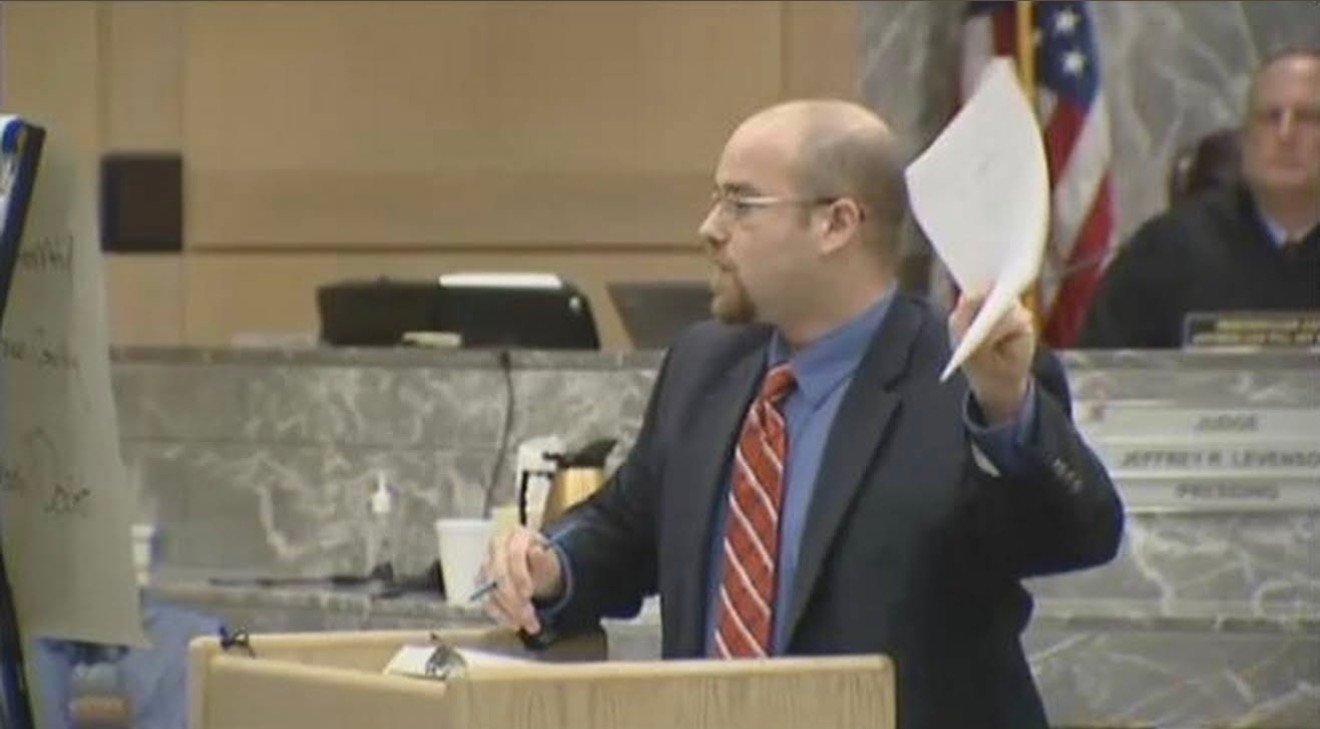
Our defense strategy includes:
- Thoroughly investigating the circumstances surrounding the allegations
- Identifying, locating, and interviewing potential witnesses
- Analyzing police reports, body camera footage, and other evidence
- Challenging inconsistencies in witness statements and testimony
- Examining potential self-defense or mistaken identity claims
- Negotiating from a position of strength when appropriate
- Aggressively fighting for your rights at trial when necessary
- Keeping you informed and involved throughout the legal process
See what our Clients are Saying…
FAQ’sWhat You Need to Know After a Theft Arrest in Florida
Being charged with a theft-related offense can be overwhelming, especially when your freedom, reputation, employment opportunities, and future are suddenly at risk. Whether you are facing allegations of petit theft, grand theft, retail theft, burglary, robbery, or another theft-related crime, it is natural to have questions about the charges, potential penalties, and what happens next. At The Greenwald Law Firm, we understand the stress and uncertainty that often follow an arrest, which is why we make ourselves available 24/7 to provide guidance when you need it most. Attorney Brian Greenwald represents clients throughout Seminole County and Orange County and is committed to protecting their rights at every stage of the criminal process. The frequently asked questions below address many of the common concerns individuals have when facing theft charges in Florida.
Still have some questions?The primary difference is the value of the property involved and certain types of property specified by law. Petit theft or petty theft, is generally charged for lower-value property, while grand theft is a felony offense that applies when the value of the property or circumstances meet Florida’s felony theft thresholds.
Several Florida statutes apply to theft-related crimes, including Florida Statute § 812.014 (Petit Theft and Grand Theft), Florida Statute § 812.015 (Retail Theft), Florida Statute § 810.02 (Burglary), Florida Statute § 812.13 (Robbery), and Florida Statute § 812.019 (Dealing in Stolen Property). The specific charge and potential penalties depend on the facts of the case.
Potentially, yes. Even first-time offenders may face jail time, probation, fines, restitution, and a permanent criminal record. However, the available defenses, value of the property involved, and your criminal history can significantly impact the outcome of the case.
Every case is different, but common defenses may include lack of intent, mistaken identity, ownership disputes, lawful possession of the property, insufficient evidence, or constitutional violations during the investigation. The Greenwald Law Firm can evaluate the facts of your case and identify potential defenses.
Yes. Even when the prosecution appears to have substantial evidence, an experienced criminal defense attorney may identify weaknesses in witness testimony, surveillance footage, valuation evidence, police procedures, or other aspects of the case. Early legal representation can also help protect your rights and improve your options moving forward.